
Anxiety and Inflammation: How Anxiety Affects Your Body and Physical Health

At some point, many New Yorkers with anxiety stop describing it as “worry.” They describe it as a body problem. A tight chest on the subway. A stomach that clenches the minute an email comes in. Sleep
Psychiatric Evaluation vs Online Mental Health Questionnaires (and Other Mental Health Assessments): What’s the Most Accurate Way to Understand Your Mind?
Why This Comparison Matters in 2025 Mental health awareness is soaring — yet confusion persists about whether quick online mental health questionnaires can replace a professional comprehensive psychiatric evaluation. While online quizzes are convenient, top institutions like Mayo Clinic, NIH, Johns Hopkins, and Columbia Psychiatry agree: these tools are screening aids, not diagnostic substitutes. Understanding the roles of psychiatric, neuropsychological, and psychoeducational evaluations helps ensure you get accurate answers — not automated guesses. What Is a Psychiatric Evaluation? A psychiatric evaluation is a clinical assessment by a psychiatrist (MD/DO) aimed at diagnosing and treating mental illnesses through detailed interviews, observation, and standardized criteria. Key steps include: Reviewing medical and family psychiatric history Discussing current symptoms and stressors Evaluating mood, cognition, and perception Diagnosing via DSM-5 criteria and recommending treatment This makes it the gold standard for accurate mental health diagnosis. What Are Online Mental Health Questionnaires? Online mental health questionnaires (like PHQ-9 or GAD-7) are self-administered screening tools designed to flag potential issues such as depression, anxiety, or ADHD. They’re fast, private, and accessible — but not diagnostic. The NIH cautions that self-report tools can’t replace clinical evaluation due to lack of professional interpretation (NIH, 2024). The FDA further notes that most consumer mental health apps are unregulated, meaning accuracy and data privacy vary widely (FDA Digital Health Center). So, when considering psychiatric evaluation vs online mental health questionnaires, think of quizzes as entry points — not endpoints. What Is a Neuropsychological Evaluation? A neuropsychological evaluation measures how the brain affects thinking, memory, language, and emotion. Conducted by a neuropsychologist (PhD/PsyD), it uses standardized tests to detect cognitive or neurological disorders. Columbia Psychiatry highlights that such testing is crucial for conditions like dementia, concussion, ADHD, or post-stroke cognitive decline (Columbia Psychiatry, 2024) Tests often assess: Attention, concentration, and executive function Memory and problem-solving Visual-spatial skills and reasoning Emotional and behavioral control Unlike psychiatric evaluations, these focus on how the brain functions rather than why symptoms appear. What Is a Psychoeducational Evaluation? A psychoeducational evaluation how cognitive, emotional, and academic factors interact — helping diagnose ADHD, dyslexia, and learning disorders. According to the Child Mind Institute and Mayo Clinic’s educational psychology division, these assessments combine IQ testing, academic performance analysis, and behavioral observation to create tailored learning strategies. They are particularly useful for school-aged children who struggle academically despite effort — bridging the gap between mental health and education. Why Psychiatric Evaluations Outperform Online Questionnaires Clinical Accuracy – Incorporates medical, psychological, and contextual factors. Personalized Treatment – Psychiatrists can prescribe medications and coordinate therapy. Ethical Oversight – Bound by HIPAA and clinical ethics. Collaborative Insight – Evaluations often inform neuropsych or psychoeducational testing. Mayo Clinic and NIH studies confirm that personalized evaluations lead to faster recovery and better treatment adherence (Mayo Research, 2024). Limitations of Online Mental Health Questionnaires Despite popularity, digital questionnaires have pitfalls: Risk of self-misdiagnosis Lack of clinical context Data privacy concerns (especially with unregulated apps) Algorithmic bias — cultural or linguistic misinterpretations A Journal of Medical Internet Research review showed accuracy varied by up to 30% across mental-health screening sites (JMIR, 2023) When to Choose Each Evaluation Psychiatric Evaluation: When emotional symptoms disrupt work, sleep, or relationships. Neuropsychological Evaluation: When cognitive or neurological changes appear (e.g., brain injury, ADHD). Psychoeducational Evaluation: When learning difficulties or attention issues interfere with school performance. Online Questionnaire: For initial self-awareness or symptom tracking. Schedule your Testing take the first step Only professional evaluations : psychiatric, neuropsychological, or psychoeducational, deliver the depth, accuracy, and personalization that you demand. Contact Us Frequently Asked Questions Q1. Are online mental health questionnaires accurate?They provide initial insight but are not diagnostic. Only a licensed professional can confirm mental health conditions. Q2. What’s the difference between psychiatric, neuropsychological, and psychoeducational evaluations?Psychiatric = diagnosis/treatment; neuropsychological = brain-based function; psychoeducational = learning and behaviour. Q3. How long does a psychiatric evaluation take?Typically 60–90 minutes for a full assessment. Q4. Can a psychoeducational evaluation diagnose ADHD?Yes. It identifies attention deficits and related learning challenges. Q5. Should I take an online test before seeing a psychiatrist?Yes, as a first step to track symptoms and decide if a full evaluation is needed. Clinically reviewed by Dr. Dana Haywood, PhD — Clinical Psychologist & Neuropsychologist at Dr. Iospa Psychiatry Consulting. About Dr. Iospa Psychiatry Consulting Group Dr. Iospa Psychiatry Consulting Group is based in Midtown Manhattan and led by Dr. Alla Iospa, a board-certified psychiatrist with extensive clinical experience in mood and anxiety disorders. Our clinicians also hold academic positions at some of New York’s leading hospitals, including Mount Sinai, NYU, Columbia, and Long Island Jewish. This connection to the academic world allows us to stay current with the most effective, research-based treatments while maintaining a grounded, patient-first approach to care. We’re here to listen, understand, and guide each person toward lasting emotional wellness.Dr. Getting to Our Office Dr. Iospa Psychiatry Consulting 28 W 44th Street, Suite 714 New York, NY 10036 (646) 383-7575 We are one block from Grand Central Terminal. Subway lines 4, 5, 6, 7, S, B, D, F, and M all stop within a short walk. Street-level garage parking is available nearby for patients who drive. Telehealth appointments are available for established and new patients in New York, New Jersey, and Florida.
Planning pregnancy while on medication

If you are thinking about trying to conceive and you currently take medication for anxiety, depression, ADHD, bipolar disorder, insomnia, or panic symptoms, it is normal to feel torn between two goals
Teen Anxiety or Depression? Subtle Signs NYC Parents Often Miss (and What Helps)

Teen anxiety and depression rarely look like the dramatic “crying every day” stereotype. In NYC especially, many teens learn to mask what they feel with a convincing “I’m fine,” then…
Depression Treatment in Midtown NYC. How to Spot the Hidden Signs
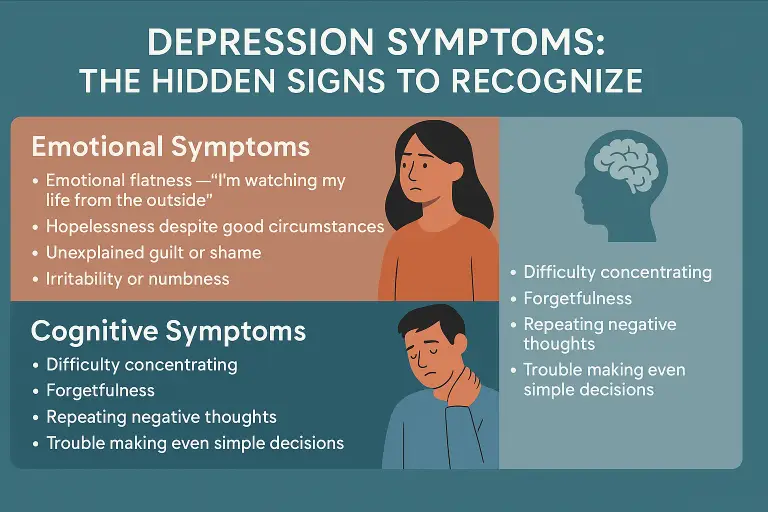
Depression Treatment in Midtown NYC — Recognizing Hidden Signs and Finding Help Learn how to recognize the subtle symptoms of depression and explore compassionate, evidence-based treatment at Dr. Iospa Psychiatry Consulting Group in Midtown NYC. Our psychiatrists, psychologists, and neuropsychologists hold academic positions at leading New York institutions, including NYU, Mount Sinai, Columbia, and Long Island Jewish Medical Center. When Stress Feels Like Something More Living and working in Midtown Manhattan often means running on adrenaline. Many people come to our office saying things like, “I’m just tired,” or “I think I’m burned out.” They assume that exhaustion and emotional flatness are simply part of city life. But when fatigue, disconnection, or irritability don’t lift with rest, it might be more than burnout. Depression can develop gradually, often blending in with daily stress until it starts to affect every part of life, work, relationships, sleep, and even physical health. Recognizing that shift is the first step toward getting the right help. Burnout usually improves when you rest. Depression doesn’t. It lingers quietly, even when the pace slows down. Our Team and Approach At Dr. Iospa Psychiatry Consulting Group, we believe effective care comes from both knowledge and understanding. Our team includes psychiatrists, psychologists, and neuropsychologists who have trained and taught at some of New York’s leading hospitals. Several of our clinicians hold academic positions at institutions such as the NYU Grossman School of Medicine, Icahn School of Medicine at Mount Sinai, and Long Island Jewish Medical Center (Donald and Barbara Zucker School of Medicine). These roles keep us connected to the latest research and treatment standards in psychiatry and psychology while allowing us to bring that knowledge directly into our patient care. Every person’s experience of depression is unique. Our goal is to create a space where patients feel heard and supported, and where treatment plans reflect both science and compassion. When you come to us for depression, the first visit is designed to go deeper than a checklist of symptoms. Your psychiatrist will spend 45–60 minutes with you, not the 15-minute intake common at many clinics. The conversation covers not just how you’re feeling now, but how you got here: your medical history, sleep patterns, medications (including anything prescribed by other doctors), family history, work and life stressors, and what you’ve already tried. This matters because depression doesn’t exist in isolation. In our experience, many patients who come to us with depression also have unrecognized anxiety, ADHD, thyroid dysfunction, sleep disorders, or cognitive changes related to aging or hormonal shifts. A shorter evaluation often misses these layers. Based on the initial assessment, your psychiatrist may recommend: Starting or adjusting medication, with a clear explanation of why a specific option was chosen for you A therapy referral to one of our psychologists, often before medication, or alongside it Neuropsychological testing, if cognitive symptoms like brain fog, memory lapses, or difficulty concentrating suggest something beyond depression alone You’ll leave the first visit with a clear plan and a follow-up timeline, typically within 1–2 weeks, not months. As treatment progresses, adjustments are made based on your actual response, not guesswork. If your depression hasn’t responded to previous treatment elsewhere, that’s something we hear often. Our blog explores why standard approaches fail for 40% of patients — and how a different framework can help. Understanding Depression Depression is not just “feeling sad.” It’s a medical condition that can look very different from person to person. Understanding the different types helps guide the most effective treatment. Major Depressive Disorder (MDD) The most common form of depression. It involves a lasting loss of interest, persistent sadness, and difficulty functioning for at least two weeks or more. Persistent Depressive Disorder (PDD) A milder but long-term form of depression that can last for years. Many describe it as “living life on autopilot” — functioning but without joy or motivation. Seasonal Affective Disorder (SAD) This form of depression tends to appear in the darker months of the year and often improves with light therapy, psychotherapy, or both. Perinatal and Postpartum Depression Depression that develops during pregnancy or after childbirth. It’s more intense than the typical “baby blues” and can deeply affect emotional health and bonding. Premenstrual Dysphoric Disorder (PMDD) A severe type of premenstrual syndrome that involves mood swings, irritability, and sadness before menstruation. Each type of depression has its own characteristics, but all can be effectively treated with the right combination of therapy, medication, and support. Emotional Signs — When You Feel Disconnected Depression often doesn’t show up as constant sadness. It can feel more like emotional emptiness — being present but detached. Common emotional symptoms include: A sense of emotional flatness, as if watching life from the outside Hopelessness even when things seem objectively fine Persistent guilt or shame without clear reason Irritability or emotional fatigue When that emotional flatness arrives alongside work exhaustion, many patients wonder whether they’re burnt out or depressed. Our guide on burnout or depression in NYC explains why the distinction changes the care plan. One patient once described it as “the lights are on, but I’m not home.” These feelings can be subtle but are often early indicators that something deeper is going on. Cognitive Symptoms — When Thinking Becomes Difficult Depression affects concentration and mental clarity. People often find themselves rereading the same page or struggling to make simple decisions. You might notice: Forgetfulness or trouble focusing Slower thinking Repeating negative thoughts Difficulty making everyday choices These cognitive changes are part of how depression impacts brain chemistry and function. They’re not signs of weakness, and they can improve significantly with treatment. For a deeper look at why depression can feel so physical, our guide to depression and inflammation explains the mind-body connection, including what research says about fatigue, body aches, and cognitive slowing. What to Expect in the First 30 Days” Week 1: Initial Evaluation Your psychiatrist conducts a comprehensive assessment. If medication is appropriate, it’s started at a conservative dose with a clear monitoring plan. If therapy is recommended,
Private ADHD Testing in NYC
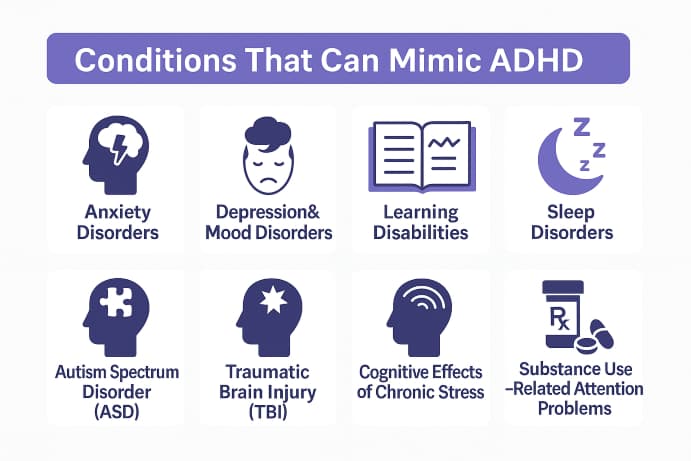
Fast, Accurate Answers with Dr. Iospa Psychiatry Consulting Group Struggling to focus, stay organized, or manage distractions? You’re not alone. ADHD affects children, teens, adults, and older professionals, and in the fast-paced world of New York City, it often goes undiagnosed. At Dr. Iospa Psychiatry Consulting Group, we provide private ADHD testing designed to deliver clear answers and personalized treatment plans. As a result, you gain the tools you need to take control of your well-being. Why Choose Private ADHD Testing in NYC If you often feel distracted, overwhelmed, or forgetful, ADHD may be a factor. Left unrecognized, it can affect your career, relationships, education, and mental health. However, the right evaluation can give you clarity and a plan to move forward with confidence. Here’s why many New Yorkers choose Dr. Iospa Psychiatry Consulting Group in Midtown Manhattan for private ADHD testing: Comprehensive, evidence-based evaluations led by experienced clinicians Confidential results handled securely to protect your privacy Fast, streamlined process with priority scheduling for self-pay clients Personalized treatment planning, including therapy, medication, and accommodations Unlike quick online quizzes or limited screenings, our process uses clinically validated tools and in-depth assessments. As a result, you receive an accurate diagnosis and a clear, actionable plan. In some cases, if your ADHD testing results are inconclusive, we may recommend a comprehensive neuropsychological evaluation. If you are a college student or are applying for university accommodations, our guide on ADHD documentation for college explains exactly what disability services offices need and how to build a file that avoids delays. This allows us to confirm or rule out other conditions that can mimic ADHD, including: Anxiety disorders Depression and mood disorders Learning disabilities (dyslexia, dyscalculia, etc.) Sleep disorders Autism spectrum disorder (ASD) Traumatic brain injury (TBI) Cognitive effects of chronic stress Substance use–related attention problems Your results can also support school accommodations to improve academic performance, guide medication management with our psychiatrists, and inform targeted cognitive therapies designed to strengthen focus, organization, and emotional regulation. What’s Included in Private ADHD Testing Our ADHD testing process is thorough, structured, and designed around your needs: Detailed clinical interview and personal history review Standardized ADHD testing for attention, memory, and executive function Feedback session explaining strengths, weaknesses, and next steps Tailored treatment recommendations, including: Cognitive-behavioral therapy (CBT) Medication management with our psychiatrists School or workplace accommodations Flexible options: in-person Midtown NYC testing or secure online consultations Because we combine testing with personalized recommendations, you leave with clear answers and a plan instead of uncertainty. Who Benefits from ADHD Testing ADHD affects more than teens and college students. Our testing supports all age groups and life stages: Children experiencing challenges with attention or school performance Teens & young adults facing academic or social stressors Working professionals managing deadlines, meetings, and productivity demands Parents balancing home responsibilities, work, and family life Older adults struggling with memory, organization, or focus For example, an accurate diagnosis often helps professionals improve productivity, students access accommodations, and parents manage household demands more effectively. What Happens After Testing Your ADHD evaluation is only the first step. Once testing is complete, we help you turn insights into action: School accommodations — Reports can support IEPs, 504 plans, and classroom flexibility Medication management — Our psychiatrists customize treatment plans for your needs Cognitive therapies — Improve focus, organization, and emotional regulation Ongoing support — We monitor progress and adjust your treatment as needed Because our approach integrates testing and personalized care, you receive comprehensive support every step of the way. Book Your Private ADHD Testing in NYC Stop guessing. Start understanding. At Dr. Iospa Psychiatry Consulting Group, we provide expert, discreet ADHD evaluations in the heart of Midtown Manhattan — helping you take the next step toward clarity and control. In-person testing at our Convenient Midtown location Virtual consultations Immediate scheduling Take control of your focus, productivity, and well-being today. Contact Us to Schedule Your Private ADHD Evaluation Take the First Step Making the call can feel overwhelming. Your cognitive health deserves attention. Your peace of mind deserves answers. And your future deserves a plan. Contact US
Neuropsychological vs Psychoeducational Testing: What’s the Difference & Which Do You Need?

Are you or your child struggling with learning, focus, or school performance—even after working hard? That frustration is common, but the solution might lie in understanding the difference between neuropsychological and psychoeducational testing. These assessments offer deep insight and can direct you toward the right support and strategies. At Dr. Iospa Psychiatry Consulting, located in the heart of Manhattan, we provide comprehensive evaluations and personalized support tailored to each individual’s unique brain and learning profile. Are you or your child struggling with learning, focus, or school performance—even after working hard? That kind of frustration is common, especially when challenges persist despite tutoring, effort, or support. The next step may be understanding how the brain processes information—not just what the problem looks like on the surface. That’s where neuropsychological and psychoeducational testing come in. While both assess how a person learns, they serve different purposes. A psychoeducational evaluation focuses on academic achievement—such as reading, writing, and math skills—and is often used to qualify students for accommodations like IEPs or 504 Plans. For students moving from high school to college, those IEP and 504 records can become part of a new documentation file — our guide on college accommodations for ADHD explains how prior records fit into what universities requireIn contrast, a neuropsychological evaluation takes a broader look at brain functioning, including memory, attention, executive functioning, and emotional factors that may affect learning and daily life. What’s the Difference: Neuropsychological vs Psychoeducational Testing? Think of the brain as a complex city. A neuropsychological evaluation acts like a city-wide diagnostic — checking the “infrastructure” that drives your brain’s functioning. It probes attention, memory, problem-solving, processing speed, and emotional regulation. Typically conducted by trained neuropsychologists, this testing is especially useful for conditions like ADHD, brain injury, autism, or other neurological concerns. When the goal is to document ADHD for a university disability office, understanding which type of evaluation your school requires — and why — is essential. See how to document ADHD for college accommodations for a practical breakdown. A psychoeducational evaluation zooms in on how learning happens in real life. It assesses academic achievement (reading, writing, math), executive functioning such as organization and time-management, social-emotional functioning, and adaptive skills. This evaluation often includes teacher and parent input and real-world observations. It’s invaluable for educational planning and supports, such as IEPs and 504 Plans. Both are comprehensive but ask different questions:Neuropsych testing explores how your brain operates.Psychoeducational testing focuses on how those brain processes translate into learning and performance. Sometimes these assessments are combined to get the fullest picture. How Do You Know It’s Time to Get Tested? Some common signs include: Working hard but seeing little progress Homework battles or test anxiety Freezing on tasks despite understanding Struggling with organization or focus These aren’t signs of laziness or lack of intelligence. They often signal the need for tailored evaluation and support. For students preparing to request college accommodations, the next step after testing is translating results into documentation a disability office can act on. Our guide on ADHD documentation for college accommodations walks through exactly what that requires.” https://www.youtube.com/watch?v=dmB7sye5OA4 Medication and Integrated Care at Dr. Iospa Psychiatry Consulting At Dr. Iospa Psychiatry Consulting in midtown Manhattan, our approach goes beyond assessment. Suppose your test results indicate that medication could be helpful. In that case, our experienced psychiatrists can prescribe and manage medication as part of your treatment plan—all done in-house for your convenience. Our doctors collaborate closely, sharing insights and working as a coordinated team to develop a truly individual approach that fits your needs. This integrated care helps optimize your cognitive and emotional well-being, improving focus, mood, and overall functioning. Whether it’s psychopharmacology, therapy, or school accommodations, we ensure a seamless, personalized path forward, helping you or your child thrive. What Happens After Testing? Testing is just the start. The real value comes from understanding your unique profile and applying actionable strategies. You could unlock: Extra time or quiet spaces during tests Individualized support via IEPs or 504 Plans Assistive technology tailored to your needs Academic coaching and therapy for executive functions or anxiety The goal? Clarity, peace of mind, and a roadmap to thrive, not just survive. To see what that roadmap looks like in practice — from reviewing your diagnostic impressions to sequencing treatment and measuring whether the plan is working — see What Happens After Neuropsychological Testing. Why Psychoeducational Testing Is Just as Important? Psychoeducational testing often covers academic skills and social-emotional dynamics that neuropsychological testing may not. It provides a deep, practical look at learning in everyday contexts and is essential for educational accommodation planning. Disclaimer: The information provided in this guide is for educational purposes only and should not be considered a substitute for professional medical advice, diagnosis, or treatment. Consult with your psychiatrist regarding any specific medication management concerns or questions you may have. Each individual’s situation is unique, and your doctor can provide personalized recommendations based on a comprehensive evaluation of your medical history, symptoms, and needs. Always follow the guidance and instructions provided by your psychiatrist regarding medication management. Brains Aren’t Broken — They’re Just Unique Understanding your brain’s unique profile can transform frustration into empowerment. If you or your child feels stuck, remember: there is help. To Learn More and schedule testing or a consultation. Talk Therapies