
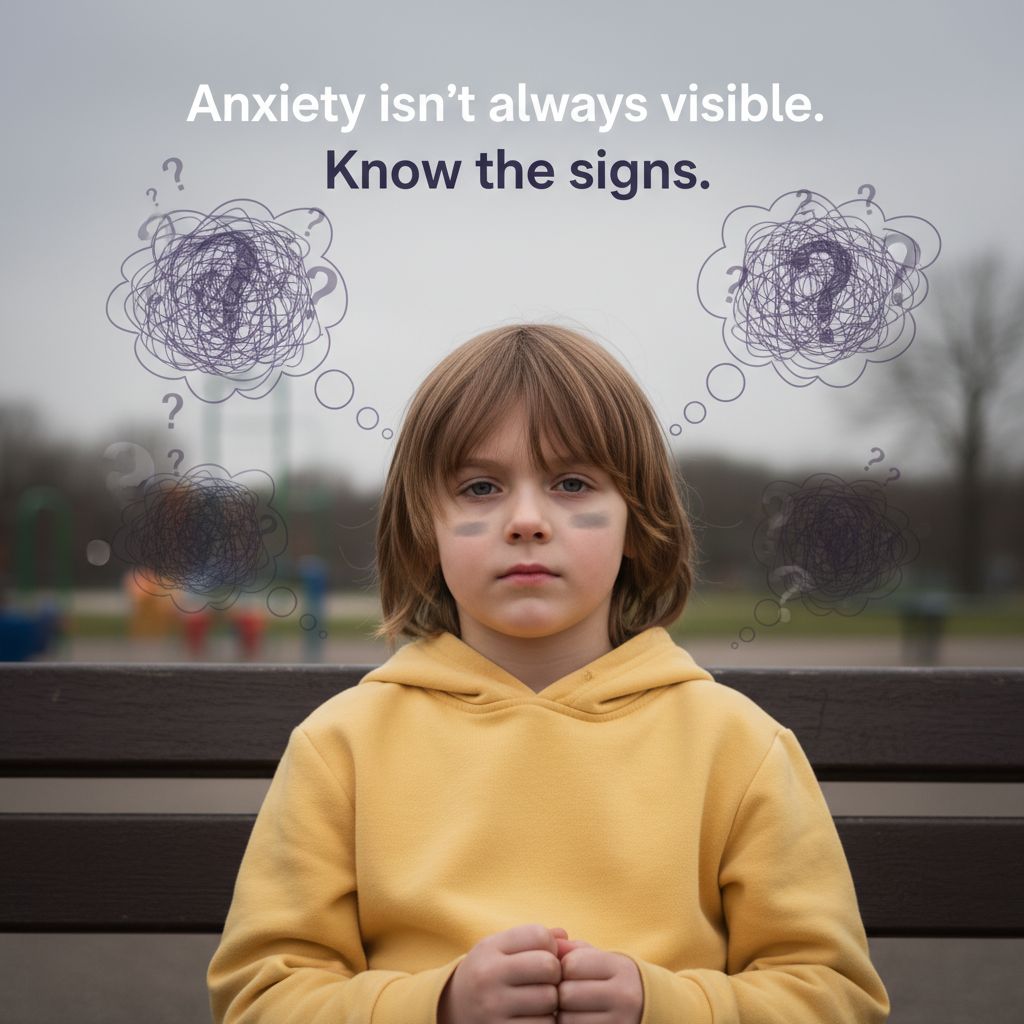
Understanding when a child’s anxiety in NYC requires professional help is one of the most important decisions parents face. When does normal childhood worry cross the line into a clinical anxiety disorder that needs treatment?
Dr Yana Serovyan, a board-certified child psychiatrist in Midtown Manhattan, answers this question daily from concerned parents. Every child feels anxious sometimes, before tests, during new school years, or when facing unfamiliar situations. But when anxiety becomes persistent, overwhelming, or interferes with your child’s daily life, it may signal an anxiety disorder requiring professional evaluation.
In this post, I’ll explain when childhood anxiety crosses the line from normal to concerning and when it’s time to seek a comprehensive psychiatric evaluation for your child.
The Difference Between Normal Worry and Clinical Anxiety
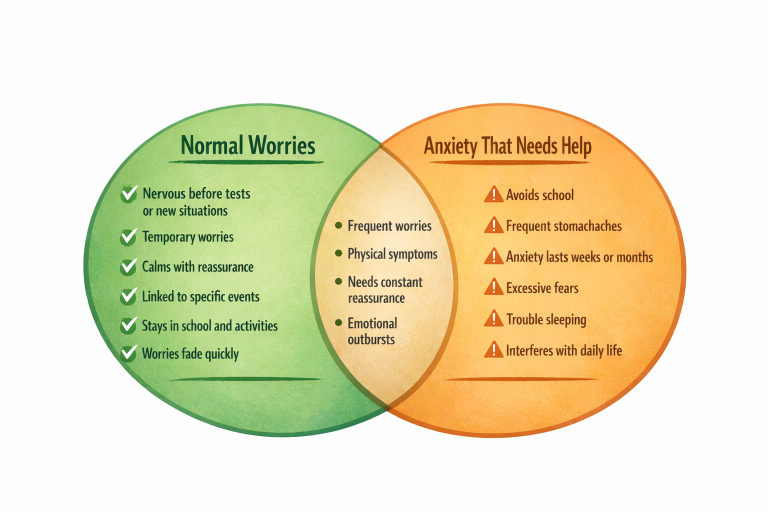
Normal Childhood Worry:
- Comes and goes based on specific situations
- Doesn’t significantly impact daily functioning
- Resolves relatively quickly (days, not weeks)
- The child can be reassured and move forward
- Doesn’t interfere with sleep, school, or friendships
Clinical Anxiety That Needs Attention:
- Lasts for weeks or months without improvement
- Interferes with school attendance or performance
- Disrupts sleep patterns consistently
- Causes avoidance of normal activities or social situations
- Leads to physical symptoms like stomachaches or headaches
- Results in emotional distress that doesn’t respond to reassurance
According to the American Academy of Child & Adolescent Psychiatry, distinguishing between normal developmental anxiety and clinical anxiety disorders is crucial for appropriate treatment.
When Is Childhood Anxiety More Than Just Worry?
Many children feel anxious from time to time, but when does normal worry cross the line into something that needs professional attention?
As a child psychiatrist practicing in Midtown Manhattan, I see many concerned parents who wonder: “Is my child’s anxiety normal, or is it something more?” It’s one of the most common questions I receive, and one of the most important.
Every child feels worried sometimes. A new school year, a challenging friendship, or an upcoming test can naturally trigger temporary anxiety. But when anxiety becomes persistent, overwhelming, or begins interfering with your child’s daily life, it may be time to seek professional evaluation.
Why Professional Evaluation Matters
Many parents tell me they waited months or even years before seeking help, hoping their child would “grow out of it.” While some children do naturally develop better coping skills over time, untreated anxiety can:
- Worsen and become more resistant to treatment
- Lead to depression or other mental health conditions
- Create patterns of avoidance that become harder to break
- Impact academic achievement and social development
- Affect self-esteem and confidence
Research from the National Institute of Mental Health shows that anxiety disorders are among the most common mental health conditions in children, affecting approximately 1 in 8 children. Early identification and treatment significantly improve outcomes.
A comprehensive child anxiety evaluation provides clarity. At Dr. Iospa Psychiatry Consulting, I take time to understand not just your child’s symptoms, but the full context of their life, development, and family dynamics.
For children showing persistent anxiety, board-certified child and adolescent psychiatrist, Dr. Yana Serobyan, provides comprehensive evaluations and treatment in our NYC practice.
What a Comprehensive Evaluation Includes
During an initial psychiatric evaluation, I explore:
- Detailed symptom history: When did anxiety begin? What triggers it? How has it changed?
- Developmental background: Are there any developmental delays or milestones of concern?
- Family history: Do anxiety or other mental health conditions run in the family?
- School and social functioning: How is your child doing academically and with peers?
- Medical history: Could any physical health issues be contributing?
- Previous interventions: What has been tried already, and did it help?
This thorough approach ensures we understand the complete picture—not just isolated symptoms.
When Anxiety Crosses the Line
In my practice serving children and adolescents across New York City, I’ve observed that anxiety becomes problematic when it:
1. Persists Despite Changes If your child’s worry continues even after a stressful event has passed, or anxiety appears without any clear trigger, this suggests it may be more than situational stress.
2. Limits Daily Life When a child begins refusing school, avoiding friends, or giving up activities they once enjoyed, anxiety is no longer just an emotion—it’s becoming a barrier to normal development.
3. Causes Physical Symptoms Frequent stomachaches, headaches, or other physical complaints that have no medical explanation often signal underlying anxiety that needs professional attention.
4. Affects the Whole Family When a child’s anxiety begins dictating family routines, preventing normal activities, or causing significant stress for siblings and parents, it’s time for evaluation.


The NYC Perspective: Unique Stressors for Children in Our City
Practicing in Manhattan, I’m acutely aware of the unique pressures facing children in New York City:
- Academic pressure: Competitive school environments and standardized testing
- Overscheduling: Packed calendars with minimal downtime
- Urban stress: Noise, crowds, fast pace of city life
- Social media: Constant connectivity and comparison
- Family expectations: High achievement standards in many communities
These factors don’t cause anxiety disorders, but they can exacerbate underlying vulnerabilities. Understanding your child’s specific environment helps tailor treatment recommendations.
Moving Forward: What Parents Can Do
If you’re concerned about your child’s anxiety:
- Document patterns: Keep notes about when anxiety appears, how long it lasts, and what helps or doesn’t help
- Talk with your child: Ask open-ended questions about their worries in calm moments
- Coordinate with school: Teachers often notice anxiety symptoms parents miss
- Avoid accommodating anxiety: While supporting your child is important, constantly rearranging life around their fears can reinforce anxiety
- Seek evaluation: Professional assessment provides answers and direction
Taking the Next Step
If your child's anxiety has lasted more than a few weeks, interferes with school or friendships, or causes significant distress, a comprehensive psychiatric evaluation can help. Early intervention often leads to better outcomes and prevents anxiety from becoming more entrenched.
Contact Us