
Private ADHD Testing in NYC
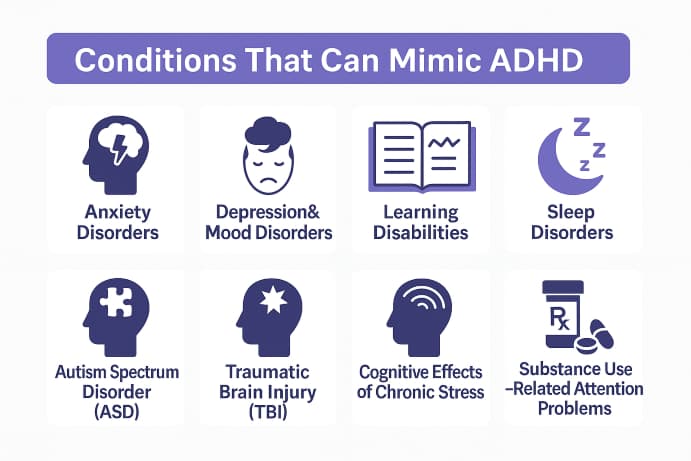
Fast, Accurate Answers with Dr. Iospa Psychiatry Consulting Group Struggling to focus, stay organized, or manage distractions? You’re not alone. ADHD affects children, teens, adults, and older professionals, and in the fast-paced world of New York City, it often goes undiagnosed. At Dr. Iospa Psychiatry Consulting Group, we provide private ADHD testing designed to deliver clear answers and personalized treatment plans. As a result, you gain the tools you need to take control of your well-being. Why Choose Private ADHD Testing in NYC If you often feel distracted, overwhelmed, or forgetful, ADHD may be a factor. Left unrecognized, it can affect your career, relationships, education, and mental health. However, the right evaluation can give you clarity and a plan to move forward with confidence. Here’s why many New Yorkers choose Dr. Iospa Psychiatry Consulting Group in Midtown Manhattan for private ADHD testing: Comprehensive, evidence-based evaluations led by experienced clinicians Confidential results handled securely to protect your privacy Fast, streamlined process with priority scheduling for self-pay clients Personalized treatment planning, including therapy, medication, and accommodations Unlike quick online quizzes or limited screenings, our process uses clinically validated tools and in-depth assessments. As a result, you receive an accurate diagnosis and a clear, actionable plan. In some cases, if your ADHD testing results are inconclusive, we may recommend a comprehensive neuropsychological evaluation. If you are a college student or are applying for university accommodations, our guide on ADHD documentation for college explains exactly what disability services offices need and how to build a file that avoids delays. This allows us to confirm or rule out other conditions that can mimic ADHD, including: Anxiety disorders Depression and mood disorders Learning disabilities (dyslexia, dyscalculia, etc.) Sleep disorders Autism spectrum disorder (ASD) Traumatic brain injury (TBI) Cognitive effects of chronic stress Substance use–related attention problems Your results can also support school accommodations to improve academic performance, guide medication management with our psychiatrists, and inform targeted cognitive therapies designed to strengthen focus, organization, and emotional regulation. What’s Included in Private ADHD Testing Our ADHD testing process is thorough, structured, and designed around your needs: Detailed clinical interview and personal history review Standardized ADHD testing for attention, memory, and executive function Feedback session explaining strengths, weaknesses, and next steps Tailored treatment recommendations, including: Cognitive-behavioral therapy (CBT) Medication management with our psychiatrists School or workplace accommodations Flexible options: in-person Midtown NYC testing or secure online consultations Because we combine testing with personalized recommendations, you leave with clear answers and a plan instead of uncertainty. Who Benefits from ADHD Testing ADHD affects more than teens and college students. Our testing supports all age groups and life stages: Children experiencing challenges with attention or school performance Teens & young adults facing academic or social stressors Working professionals managing deadlines, meetings, and productivity demands Parents balancing home responsibilities, work, and family life Older adults struggling with memory, organization, or focus For example, an accurate diagnosis often helps professionals improve productivity, students access accommodations, and parents manage household demands more effectively. What Happens After Testing Your ADHD evaluation is only the first step. Once testing is complete, we help you turn insights into action: School accommodations — Reports can support IEPs, 504 plans, and classroom flexibility Medication management — Our psychiatrists customize treatment plans for your needs Cognitive therapies — Improve focus, organization, and emotional regulation Ongoing support — We monitor progress and adjust your treatment as needed Because our approach integrates testing and personalized care, you receive comprehensive support every step of the way. Book Your Private ADHD Testing in NYC Stop guessing. Start understanding. At Dr. Iospa Psychiatry Consulting Group, we provide expert, discreet ADHD evaluations in the heart of Midtown Manhattan — helping you take the next step toward clarity and control. In-person testing at our Convenient Midtown location Virtual consultations Immediate scheduling Take control of your focus, productivity, and well-being today. Contact Us to Schedule Your Private ADHD Evaluation Take the First Step Making the call can feel overwhelming. Your cognitive health deserves attention. Your peace of mind deserves answers. And your future deserves a plan. Contact US
Neuropsychological vs Psychoeducational Testing: What’s the Difference & Which Do You Need?

Are you or your child struggling with learning, focus, or school performance—even after working hard? That frustration is common, but the solution might lie in understanding the difference between neuropsychological and psychoeducational testing. These assessments offer deep insight and can direct you toward the right support and strategies. At Dr. Iospa Psychiatry Consulting, located in the heart of Manhattan, we provide comprehensive evaluations and personalized support tailored to each individual’s unique brain and learning profile. Are you or your child struggling with learning, focus, or school performance—even after working hard? That kind of frustration is common, especially when challenges persist despite tutoring, effort, or support. The next step may be understanding how the brain processes information—not just what the problem looks like on the surface. That’s where neuropsychological and psychoeducational testing come in. While both assess how a person learns, they serve different purposes. A psychoeducational evaluation focuses on academic achievement—such as reading, writing, and math skills—and is often used to qualify students for accommodations like IEPs or 504 Plans. For students moving from high school to college, those IEP and 504 records can become part of a new documentation file — our guide on college accommodations for ADHD explains how prior records fit into what universities requireIn contrast, a neuropsychological evaluation takes a broader look at brain functioning, including memory, attention, executive functioning, and emotional factors that may affect learning and daily life. What’s the Difference: Neuropsychological vs Psychoeducational Testing? Think of the brain as a complex city. A neuropsychological evaluation acts like a city-wide diagnostic — checking the “infrastructure” that drives your brain’s functioning. It probes attention, memory, problem-solving, processing speed, and emotional regulation. Typically conducted by trained neuropsychologists, this testing is especially useful for conditions like ADHD, brain injury, autism, or other neurological concerns. When the goal is to document ADHD for a university disability office, understanding which type of evaluation your school requires — and why — is essential. See how to document ADHD for college accommodations for a practical breakdown. A psychoeducational evaluation zooms in on how learning happens in real life. It assesses academic achievement (reading, writing, math), executive functioning such as organization and time-management, social-emotional functioning, and adaptive skills. This evaluation often includes teacher and parent input and real-world observations. It’s invaluable for educational planning and supports, such as IEPs and 504 Plans. Both are comprehensive but ask different questions:Neuropsych testing explores how your brain operates.Psychoeducational testing focuses on how those brain processes translate into learning and performance. Sometimes these assessments are combined to get the fullest picture. How Do You Know It’s Time to Get Tested? Some common signs include: Working hard but seeing little progress Homework battles or test anxiety Freezing on tasks despite understanding Struggling with organization or focus These aren’t signs of laziness or lack of intelligence. They often signal the need for tailored evaluation and support. For students preparing to request college accommodations, the next step after testing is translating results into documentation a disability office can act on. Our guide on ADHD documentation for college accommodations walks through exactly what that requires.” https://www.youtube.com/watch?v=dmB7sye5OA4 Medication and Integrated Care at Dr. Iospa Psychiatry Consulting At Dr. Iospa Psychiatry Consulting in midtown Manhattan, our approach goes beyond assessment. Suppose your test results indicate that medication could be helpful. In that case, our experienced psychiatrists can prescribe and manage medication as part of your treatment plan—all done in-house for your convenience. Our doctors collaborate closely, sharing insights and working as a coordinated team to develop a truly individual approach that fits your needs. This integrated care helps optimize your cognitive and emotional well-being, improving focus, mood, and overall functioning. Whether it’s psychopharmacology, therapy, or school accommodations, we ensure a seamless, personalized path forward, helping you or your child thrive. What Happens After Testing? Testing is just the start. The real value comes from understanding your unique profile and applying actionable strategies. You could unlock: Extra time or quiet spaces during tests Individualized support via IEPs or 504 Plans Assistive technology tailored to your needs Academic coaching and therapy for executive functions or anxiety The goal? Clarity, peace of mind, and a roadmap to thrive, not just survive. To see what that roadmap looks like in practice — from reviewing your diagnostic impressions to sequencing treatment and measuring whether the plan is working, see What Happens After Neuropsychological Testing. If you’ve completed a neuropsychological evaluation, understanding how to read and act on your report is the critical next step — see What Neuropsych Reports Include, and How to Use Them. Why Psychoeducational Testing Is Just as Important? Psychoeducational testing often covers academic skills and social-emotional dynamics that neuropsychological testing may not. It provides a deep, practical look at learning in everyday contexts and is essential for educational accommodation planning. Disclaimer: The information provided in this guide is for educational purposes only and should not be considered a substitute for professional medical advice, diagnosis, or treatment. Consult with your psychiatrist regarding any specific medication management concerns or questions you may have. Each individual’s situation is unique, and your doctor can provide personalized recommendations based on a comprehensive evaluation of your medical history, symptoms, and needs. Always follow the guidance and instructions provided by your psychiatrist regarding medication management. Brains Aren’t Broken — They’re Just Unique Understanding your brain’s unique profile can transform frustration into empowerment. If you or your child feels stuck, remember: there is help. To Learn More and schedule testing or a consultation. Talk Therapies