
Depression and Inflammation: Understanding the Mind-Body Connection
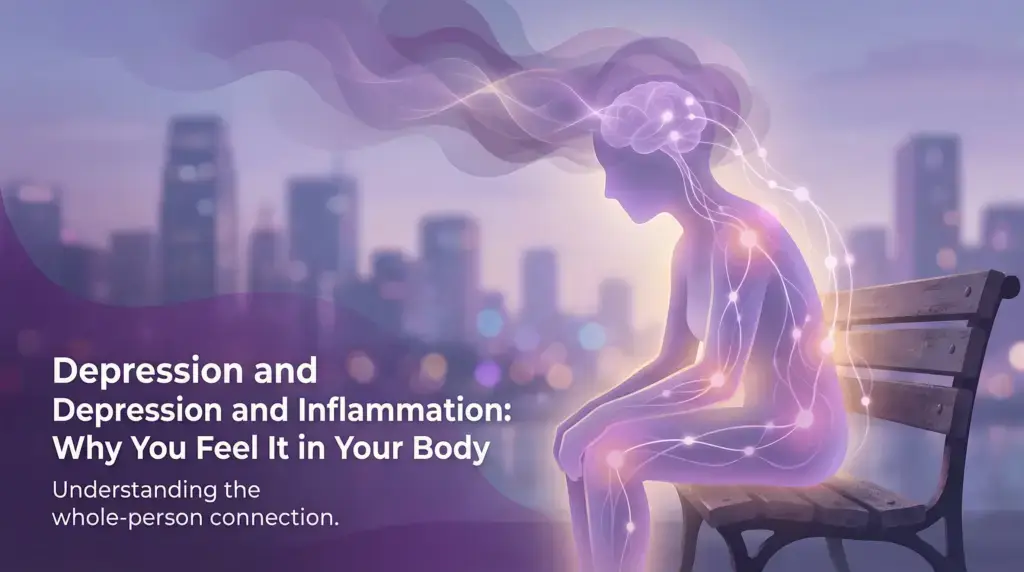
Depression and inflammation often travel together in ways that can feel confusing, even scary. You might tell yourself, “I’m just depressed,” but what you’re living with is also physical: the leadweig
Issues Related to Aging and Retirement

Retirement can look like a long exhale. No commute. No calendar alerts. No latenight emails. And then, sometimes, it hits: Who am I without my job? Why do I feel oddly anxious when I finally have time
Psychiatric Evaluation vs Online Mental Health Questionnaires (and Other Mental Health Assessments): What’s the Most Accurate Way to Understand Your Mind?
Why This Distinction is Significant Mental health awareness is soaring — yet confusion persists about whether quick online mental health questionnaires can replace a professional comprehensive psychiatric evaluation. While online quizzes are convenient, top institutions like Mayo Clinic, NIH, Johns Hopkins, and Columbia Psychiatry agree: these tools are screening aids, not diagnostic substitutes. Understanding the roles of psychiatric, neuropsychological, and psychoeducational evaluations helps ensure you get accurate answers — not automated guesses. What Is a Psychiatric Evaluation? A psychiatric evaluation is a clinical assessment by a psychiatrist (MD/DO) aimed at diagnosing and treating mental illnesses through detailed interviews, observation, and standardized criteria. Key steps include: Reviewing medical and family psychiatric history Discussing current symptoms and stressors Evaluating mood, cognition, and perception Diagnosing via DSM-5 criteria and recommending treatment What Are Online Mental Health Questionnaires? Online mental health questionnaires (like PHQ-9 or GAD-7) are self-administered screening tools designed to flag potential issues such as depression, anxiety, or ADHD. They’re fast, private, and accessible — but not diagnostic. The NIH cautions that self-report tools can’t replace clinical evaluation due to lack of professional interpretation (NIH, 2024). The FDA further notes that most consumer mental health apps are unregulated, meaning accuracy and data privacy vary widely (FDA Digital Health Center). So, when considering psychiatric evaluation vs online mental health questionnaires, think of quizzes as entry points — not endpoints. What Is a Neuropsychological Evaluation? A neuropsychological evaluation examines how the brain influences thinking, memory, language, and emotional functioning. Conducted by a neuropsychologist (PhD or PsyD), it uses standardized tests and structured assessments to identify cognitive or neurological difficulties, clarify their underlying causes, and provide guidance for treatment to support everyday functioning. Columbia Psychiatry highlights that such testing is crucial for conditions like dementia, concussions, ADHD, and post-stroke cognitive decline (Columbia Psychiatry, 2024) Tests often assess: Attention and concentration – the ability to focus and sustain mental effort Memory – short-term, long-term, and working memory skills Language – understanding, speaking, reading, and writing Executive functioning – planning, problem-solving, organizing, and decision-making Processing speed – how quickly the brain takes in and responds to information Visuospatial skills – understanding and interpreting visual and spatial information Motor skills – coordination, dexterity, and fine motor control Emotional and behavioral functioning – mood, anxiety, and stress regulation What Is a Psychoeducational Evaluation? A psychoeducational evaluation how cognitive, emotional, and academic factors interact — helping diagnose ADHD, dyslexia, and learning disorders. According to the Child Mind Institute and Mayo Clinic’s educational psychology division, these assessments combine IQ testing, academic performance analysis, and behavioral observation to create tailored learning strategies. They are particularly useful for school-aged children who struggle academically despite effort — bridging the gap between mental health and education. Why Psychiatric Evaluations Outperform Online Questionnaires Clinical Accuracy – Incorporates medical, psychological, and contextual factors. Personalized Treatment – Psychiatrists can prescribe medications and coordinate therapy. Ethical Oversight – Bound by HIPAA and clinical ethics. Collaborative Insight – Evaluations often inform neuropsychological or psychoeducational testing. Mayo Clinic and NIH studies confirm that personalized evaluations lead to faster recovery and better treatment adherence (Mayo Research, 2024). Limitations of Online Mental Health Questionnaires Despite popularity, digital questionnaires have pitfalls: Risk of self-misdiagnosis Lack of clinical context Data privacy concerns (especially with unregulated apps) Algorithmic bias — cultural or linguistic misinterpretations A Journal of Medical Internet Research review showed accuracy varied by up to 30% across mental-health screening sites (JMIR, 2023) Frequently Asked Questions Are online mental health questionnaires accurate?They provide initial insight but are not diagnostic clarity. Only a licensed professional can confirm mental health conditions. What’s the difference between psychiatric, neuropsychological, and psychoeducational evaluations?Psychiatric = diagnosis/treatment; neuropsychological = brain-based function; psychoeducational = learning and behavior. How long does a psychiatric evaluation take?Typically 60–90 minutes for a full assessment. Can a psychoeducational evaluation diagnose ADHD?Yes. It identifies attention deficits and related learning challenges. Should I take an online test before seeing a psychiatrist?Yes, as a first step to track symptoms and decide if a full evaluation is needed. Clinically reviewed by Dr. Dana Haywood, PhD — Clinical Psychologist & Neuropsychologist at Dr. Iospa Psychiatry Consulting. About Dr. Iospa Psychiatry Consulting Group Dr. Iospa Psychiatry Consulting PC is based in Midtown Manhattan, led by Dr. Alla Iospa, a board-certified psychiatrist with extensive clinical experience in mood and anxiety disorders. Our clinicians also hold academic positions at some of New York’s leading hospitals, including Mount Sinai, NYU, Columbia, and Long Island Jewish. This connection to the academic world allows us to stay current with the most effective, research-based treatments while maintaining a grounded, patient-first approach to care. We are here to listen, understand, and guide each person toward lasting emotional wellness.
Teen Depression Isn’t Always Sadness: Hidden Symptoms to Watch For
Teen depression is often imagined as obvious sadness and crying. In real life, many adolescents look more irritated than “down,” more exhausted than “tearful,” and more avoidant than “hopeless.” In NY
Teen Anxiety or Depression? Subtle Signs NYC Parents Often Miss (and What Helps)

Teen anxiety and depression rarely look like the dramatic “crying every day” stereotype. In NYC especially, many teens learn to mask what they feel with a convincing “I’m fine,” then…
Depression Treatment in Midtown NYC. How to Spot the Hidden Signs
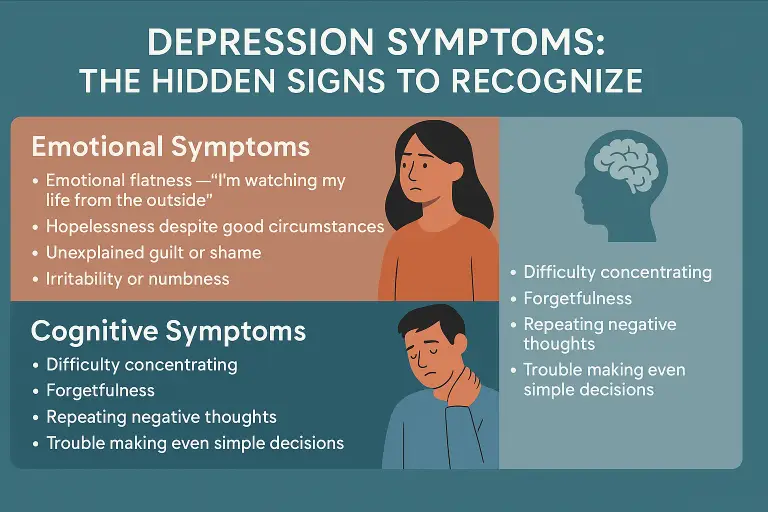
Depression Treatment in Midtown NYC — Recognizing Hidden Signs and Finding Help Learn how to recognize the subtle symptoms of depression and explore compassionate, evidence-based treatment at Dr. Iospa Psychiatry Consulting Group in Midtown NYC. Our psychiatrists, psychologists, and neuropsychologists hold academic positions at leading New York institutions, including NYU, Mount Sinai, Columbia, and Long Island Jewish Medical Center. When Stress Feels Like Something More Living and working in Midtown Manhattan often means running on adrenaline. Many people come to our office saying things like, “I’m just tired,” or “I think I’m burned out.” They assume that exhaustion and emotional flatness are simply part of city life. But when fatigue, disconnection, or irritability don’t lift with rest, it might be more than burnout. Depression can develop gradually, often blending in with daily stress until it starts to affect every part of life, work, relationships, sleep, and even physical health. Recognizing that shift is the first step toward getting the right help. Burnout usually improves when you rest. Depression doesn’t. It lingers quietly, even when the pace slows down. Our Team and Approach At Dr. Iospa Psychiatry Consulting Group, we believe effective care comes from both knowledge and understanding. Our team includes psychiatrists, psychologists, and neuropsychologists who have trained and taught at some of New York’s leading hospitals. Several of our clinicians hold academic positions at institutions such as the NYU Grossman School of Medicine, Icahn School of Medicine at Mount Sinai, and Long Island Jewish Medical Center (Donald and Barbara Zucker School of Medicine). These roles keep us connected to the latest research and treatment standards in psychiatry and psychology while allowing us to bring that knowledge directly into our patient care. Every person’s experience of depression is unique. Our goal is to create a space where patients feel heard and supported, and where treatment plans reflect both science and compassion. When you come to us for depression, the first visit is designed to go deeper than a checklist of symptoms. Your psychiatrist will spend 45–60 minutes with you, not the 15-minute intake common at many clinics. The conversation covers not just how you’re feeling now, but how you got here: your medical history, sleep patterns, medications (including anything prescribed by other doctors), family history, work and life stressors, and what you’ve already tried. This matters because depression doesn’t exist in isolation. In our experience, many patients who come to us with depression also have unrecognized anxiety, ADHD, thyroid dysfunction, sleep disorders, or cognitive changes related to aging or hormonal shifts. A shorter evaluation often misses these layers. Based on the initial assessment, your psychiatrist may recommend: Starting or adjusting medication, with a clear explanation of why a specific option was chosen for you A therapy referral to one of our psychologists, often before medication, or alongside it Neuropsychological testing, if cognitive symptoms like brain fog, memory lapses, or difficulty concentrating suggest something beyond depression alone You’ll leave the first visit with a clear plan and a follow-up timeline, typically within 1–2 weeks, not months. As treatment progresses, adjustments are made based on your actual response, not guesswork. If your depression hasn’t responded to previous treatment elsewhere, that’s something we hear often. Our blog explores why standard approaches fail for 40% of patients — and how a different framework can help. Understanding Depression Depression is not just “feeling sad.” It’s a medical condition that can look very different from person to person. Understanding the different types helps guide the most effective treatment. Major Depressive Disorder (MDD) The most common form of depression. It involves a lasting loss of interest, persistent sadness, and difficulty functioning for at least two weeks or more. Persistent Depressive Disorder (PDD) A milder but long-term form of depression that can last for years. Many describe it as “living life on autopilot” — functioning but without joy or motivation. Seasonal Affective Disorder (SAD) This form of depression tends to appear in the darker months of the year and often improves with light therapy, psychotherapy, or both. Perinatal and Postpartum Depression Depression that develops during pregnancy or after childbirth. It’s more intense than the typical “baby blues” and can deeply affect emotional health and bonding. Premenstrual Dysphoric Disorder (PMDD) A severe type of premenstrual syndrome that involves mood swings, irritability, and sadness before menstruation. Each type of depression has its own characteristics, but all can be effectively treated with the right combination of therapy, medication, and support. Emotional Signs — When You Feel Disconnected Depression often doesn’t show up as constant sadness. It can feel more like emotional emptiness — being present but detached. Common emotional symptoms include: A sense of emotional flatness, as if watching life from the outside Hopelessness even when things seem objectively fine Persistent guilt or shame without clear reason Irritability or emotional fatigue One patient once described it as “the lights are on, but I’m not home.” These feelings can be subtle but are often early indicators that something deeper is going on. Cognitive Symptoms — When Thinking Becomes Difficult Depression affects concentration and mental clarity. People often find themselves rereading the same page or struggling to make simple decisions. You might notice: Forgetfulness or trouble focusing Slower thinking Repeating negative thoughts Difficulty making everyday choices These cognitive changes are part of how depression impacts brain chemistry and function. They’re not signs of weakness, and they can improve significantly with treatment. For a deeper look at why depression can feel so physical, our guide to depression and inflammation explains the mind-body connection, including what research says about fatigue, body aches, and cognitive slowing. What to Expect in the First 30 Days” Week 1: Initial Evaluation Your psychiatrist conducts a comprehensive assessment. If medication is appropriate, it’s started at a conservative dose with a clear monitoring plan. If therapy is recommended, we schedule your first session with one of our psychologists, usually within the same week. Week 2: First Follow-Up Your psychiatrist checks in on early response, side effects, and any questions. This visit
Why Depression Treatment Fails 40% of Patients?

Why Depression Treatment Fails 40% of Patients? Depression treatment failures affect nearly half of all people seeking help. Despite taking antidepressants, going to therapy, and following your doctor’s advice, you might still feel stuck. If you’re dealing with treatment-resistant depression (TRD) or failed depression therapy, you’re not alone—and it’s not your fault. After treating over 1,000 patients in 15 years, I’ve learned something important: when depression treatment doesn’t work, it’s usually not because you’re “unfixable.” It’s because you need a different approach. Why Finding the Right Treatment Isn’t Like Solving a Math Problem Here’s something your doctor might not have explained: psychiatric medication isn’t an exact science like math or physics. We can’t plug your symptoms into a formula and get the perfect answer. Your brain chemistry is unique. What works for your friend, your coworker, or even your family member might not work for you. This means finding the right treatment often involves: Trial and adjustment: Testing different medications to see what helps Dosage fine-tuning: Starting low and adjusting until you find what works Switching approaches: Sometimes the first (or second, or third) medication isn’t the one Combining treatments: Medication plus therapy often works better than either alone This process can feel frustrating, but it’s normal. You’re not doing anything wrong if it takes time to find what helps you. The Real Reason Standard Treatment Doesn’t Always Work Most depression treatment follows the same pattern for everyone: diagnose symptoms, prescribe antidepressants, recommend therapy. It helps about 60% of people. But what about everyone else? I’ve noticed that people whose depression doesn’t respond to standard treatment often have something else going on: Young adults dealing with career pressure and perfectionism need different help than someone going through a divorce. Older adults facing health changes and loss need different support than someone with work stress. Same depression symptoms, completely different root causes. What Real Recovery Looks Like Effective depression treatment addresses your whole situation, not just your symptoms. This might include: Medical evaluation: Checking for thyroid problems, vitamin deficiencies, or other health issues that can cause depression The right therapy approach: Anxiety management for perfectionists, grief counseling for loss, or life transition support for major changes Medication when it helps: Sometimes antidepressants are crucial, sometimes they’re not the main solution Lifestyle support: Sleep, exercise, nutrition, and social connection all affect your mood Signs You Need a Different Approach Consider asking your doctor about other options if: You’ve tried 2-3 medications without much improvement Therapy helps temporarily but problems keep coming back You feel like you’re “doing everything right” but still struggling Your depression seems connected to specific life situations You function well at work but feel miserable inside You Have More Options Than You Think If standard treatment hasn’t worked for you, don’t give up. Depression affects everyone differently, and treatment needs to match your specific situation. Different types of therapy exist for different problems. Various medications work through different pathways in your brain. Integrative approaches combine medical care with counseling and lifestyle changes. The key is finding providers who understand that cookie-cutter treatment doesn’t work for everyone. What’s Next for You Remember: needing to try different treatments doesn’t mean you’re treatment-resistant. It means you’re human, with a unique brain and unique circumstances. Disclaimer: This article is for educational purposes only and is not a substitute for professional medical advice, diagnosis, or treatment. If you are experiencing severe depression or thoughts of self-harm, call 988 in the U.S. or go to your nearest emergency room. Always seek the advice of your physician or qualified mental health provider with any questions you may have regarding your condition. Disclaimer: The information provided in this guide is for educational purposes only and should not be considered a substitute for professional medical advice, diagnosis, or treatment. Consult with your psychiatrist regarding any specific medication management concerns or questions you may have. Each individual’s situation is unique, and your doctor can provide personalized recommendations based on a comprehensive evaluation of your medical history, symptoms, and needs. Always follow the guidance and instructions provided by your psychiatrist regarding medication management. Have you struggled to find depression treatment that works? What questions do you have about finding the right approach? If you’re in New York City our Midtown team can help you explore personalized treatment that goes beyond cookie-cutter care. Click Here