

Anxiety and Inflammation: How Anxiety Affects Your Body and Physical Health
At some point, many New Yorkers with anxiety stop describing it as “worry.” They describe it as a body problem. A tight chest on the subway. A stomach that clenches the minute an email comes in. Sleep that never feels deep. A neck and jaw that stay braced like you are waiting for impact. If that’s you, the phrase Anxiety and Inflammation can be a relief. Not because it means something is “wrong” with you, but because it helps explain why anxiety can feel so physical.
At Dr. Iospa Psychiatry Consulting in Midtown Manhattan (and via telehealth across New York), we often work with patients who are managing anxiety alongside medical conditions like diabetes, heart disease, gastrointestinal disorders, autoimmune conditions, or persistent fatigue.
Many of these patterns apply to depression as well — our companion article Depression and Inflammation: Why You Feel It in Your Body covers the same territory from a mood-focused perspective.
These patterns are common and not imaginary.
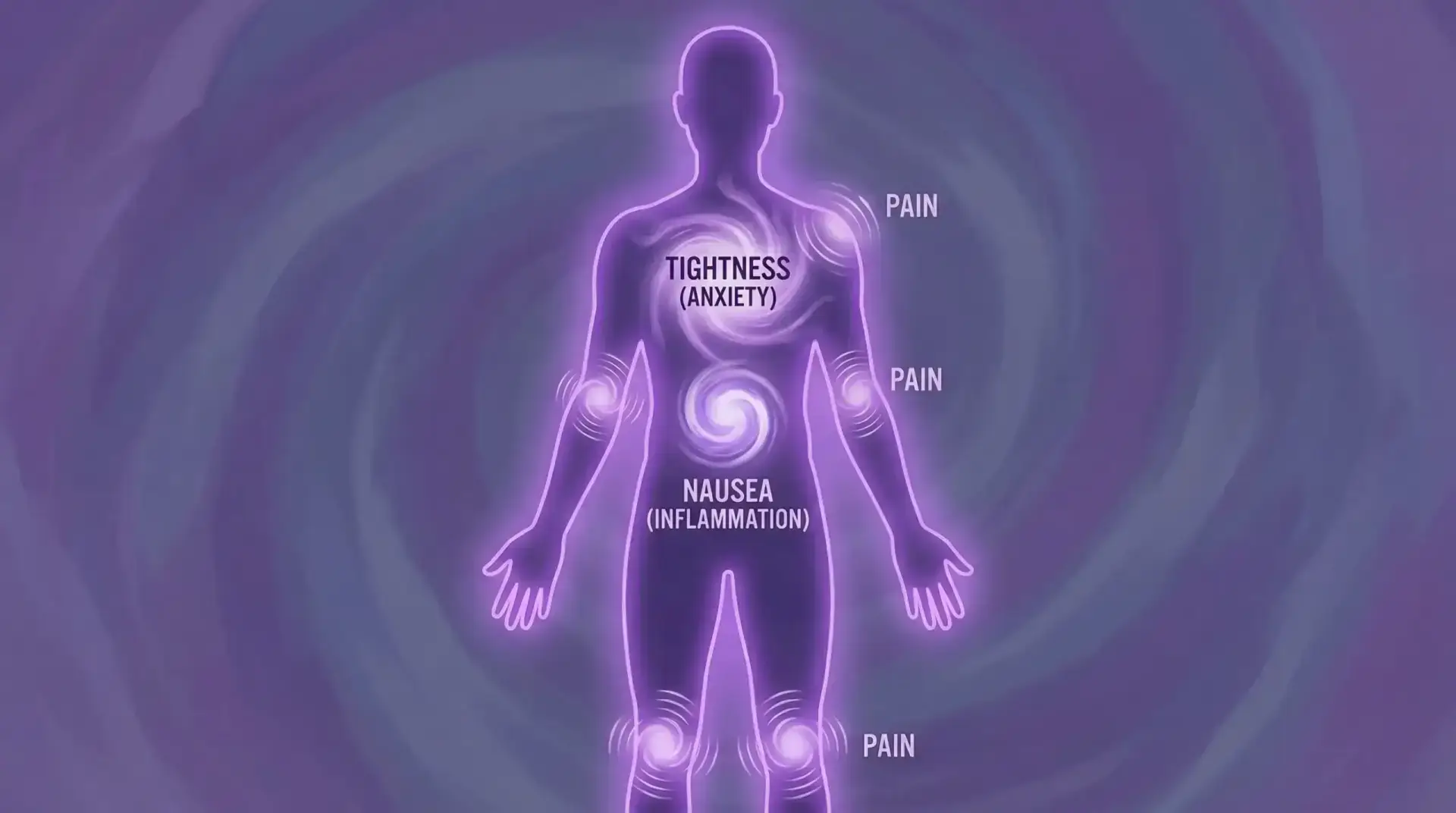
Caption: Anxiety can show up in the body, not just the mind.
Anxiety and Inflammation: why anxiety can feel like a body emergency
Think of anxiety as your body’s smoke alarm. A smoke alarm is supposed to be loud. It’s supposed to interrupt everything. It’s supposed to get you moving. But when the alarm is overly sensitive, it goes off when you make toast. You start living in a constant state of startle, bracing for noise, scanning for danger, losing trust in your own system.
That “alarm” is your stress response. When anxiety becomes chronic, the body can stay in a state of activation:
- Your nervous system remains on high alert
- Stress hormones (including cortisol and adrenaline) keep cycling
- Your immune system can become more reactive over time
That last point is where Anxiety and Inflammation often intersect.
Inflammation is not automatically bad. In the short term, it’s a protective response. The issue is persistent, low-grade inflammation that lingers when the body has been pushed into “emergency mode” for too long.
Researchers have documented links between chronic stress, immune signaling, and inflammatory changes. If you want a deeper scientific overview, the National Institute of Mental Health explains how anxiety disorders involve both mind and body systems, and the National Library of Medicine hosts extensive peer-reviewed research on stress and immune pathways.
Just as important as the biology is what patients feel day to day: not just fear, but exhaustion from carrying tension, shame about “not being able to relax,” and confusion when medical tests come back normal even though the body is clearly struggling.
What is the link between Anxiety and Inflammation?
The simplest way to understand the link is as a feedback loop. Anxiety can disrupt sleep, appetite, and breathing patterns. It can raise muscle tension. It can keep the heart beating faster than it needs to. It can change how you interpret normal sensations (a flutter becomes a threat). Those shifts can influence inflammatory activity.
Meanwhile, inflammation can make the body feel achy, foggy, and “off.” When your body feels off, your brain often tries to explain it, and anxiety steps in with theories that sound urgent and catastrophic.
So Anxiety and Inflammation can feed each other.
A quick way to recognize the cycle
| What you notice | What it can feel like emotionally | A practical first step |
|---|---|---|
| Racing heart, chest tightness | “Something is wrong with my heart.” | Rule out medical causes, then treat panic physiology and fear together (often CBT plus medication options when appropriate). |
| Gut discomfort, nausea, IBS flares | “My body can’t handle anything.” | Track triggers (stress, sleep, food), coordinate with GI, and use skills that calm the nervous system. |
| Joint pain, fatigue, flare-ups | “I’m fragile, I’m breaking.” | Coordinate with rheumatology, address sleep, mood, and pain sensitivity patterns. |
| Brain fog, poor focus | “Am I declining?” | Consider a more accurate assessment (psychiatric evaluation, and sometimes neuropsychological testing). |
For many people, seeing it laid out this way reduces self-blame. This is not about weakness. It is about a system that has been running too hot for too long.
Why Anxiety and Inflammation often show up alongside chronic medical conditions
Patients often ask a painful question: “Did I cause this by being anxious?” Usually, the answer is no. Anxiety does not directly cause most chronic illnesses. But Anxiety and Inflammation can share pathways that make them appear together, especially when life stress, genetics, sleep disruption, and existing medical vulnerability overlap. This overlap (clinicians call it comorbidity) is commonly seen in:
- Cardiovascular disease (including recovery after heart events)
- Diabetes
- Inflammatory bowel disease
- Rheumatoid arthritis and other autoimmune or inflammatory conditions
The relationship is rarely simple cause-and-effect. It’s more like two musicians playing off each other, sometimes amplifying the volume.
Anxiety and diabetes
Even with excellent diabetes care, anxiety can make blood sugar feel unpredictable. When stress hormones rise, glucose can rise too. Sleep disruption and appetite changes can add variability. Then the emotional burden of managing diabetes (especially in a high-pressure city schedule) can fuel even more anxiety.
Patients often tell us it feels like “I’m doing everything right, but my body is not cooperating.” That frustration is real, and it deserves care that considers both physiology and mental health.
Anxiety and heart health
Chronic anxiety can strain the cardiovascular system. People may notice an elevated heart rate, palpitations, spikes in blood pressure, or a sense that their body is always revved. After a cardiac event, anxiety can become part of the recovery story, not just a reaction. Many patients become hyperaware of normal sensations, checking, monitoring, avoiding activity, and living in fear of recurrence.
For reputable patient education on heart risk and stress, the American Heart Association has a helpful overview.
Anxiety and inflammatory or autoimmune disorders
When someone is living with an inflammatory condition, anxiety can intensify symptom perception and flare patterns. That does not mean symptoms are “all in your head.” It means the nervous and immune systems communicate constantly, and when the nervous system is stuck on high alert, pain sensitivity and fatigue can increase. Learn more here.
The physical symptoms patients often don’t realize can be anxiety
In NYC, people are used to pushing through. They normalize symptoms for months, sometimes years, especially professionals, students, new parents, performers, and caregivers.
Here are some of the most common ways anxiety shows up physically:
- Tightness in the chest or throat
- Shortness of breath (especially when trying to fall asleep)
- Stomach pain, nausea, diarrhea, constipation
- Jaw clenching, headaches, neck and shoulder pain
- Insomnia or non-restorative sleep
- Feeling shaky, hot, sweaty, or “wired.”
- Brain fog, forgetfulness, difficulty concentrating
If panic symptoms are part of your picture, our practice has a dedicated explainer on panic attacks vs. panic disorder and a practical guide to panic attack treatments that actually help.
And if sleep is the first domino to fall, you may find it clarifying to read Can Sleep Heal More Than We Think?, which discusses CBT-I (Cognitive Behavioral Therapy for Insomnia) and why sleep work can reduce anxiety symptoms.
Anxiety and Inflammation in the brain: when you’re scared, you’re “declining.”
A surprisingly common fear in our Midtown Manhattan office is, “What if this is early dementia?”
Often, the lived experience is more like this: you are functioning, but at a higher cost. You reread the same paragraph. You lose words mid-sentence. You walk into a room and forget why you went in. You feel less sharp in meetings.
Sometimes that is anxiety. Sometimes it is depression. Sometimes it is sleep deprivation. Sometimes it is a medication side effect. Sometimes it is a real cognitive change worth evaluating.
If you’re unsure, a thoughtful next step is to read “Brain Fog vs Cognitive Decline: Is It Just Stress or Something More?“ And for people who want objective clarity, our team also provides neuropsychological evaluations and, when appropriate, more comprehensive neuropsychological testing.
A useful (and timely) sidebar: GLP-1 medications, inflammation, and anxiety
In 2026, more patients are taking GLP-1 medications (such as semaglutide or tirzepatide) for diabetes and weight management, and they are asking a smart question: “Could this be affecting my anxiety?”
It’s nuanced.
Because GLP-1 medications can influence appetite, digestion, blood sugar stability, and inflammatory pathways, some people report feeling calmer. Others feel more activated, especially early in treatment, during dose adjustments, or when sleep and nutrition are disrupted by side effects. Emerging research indexed through the National Institutes of Health suggests GLP-1 signaling may also interact with brain regions involved in stress and inflammation.
Here’s the key clinical takeaway: population-level safety data does not erase individual experience. Large clinical trials published in journals such as The Lancet Diabetes & Endocrinology generally support the overall safety of these medications, but individual responses can vary.
If you notice mood changes on a GLP-1 medication, do not stop it abruptly without medical guidance. Track patterns and discuss them with your prescribing clinician. For the most current safety updates, review public communications from the U.S. Food and Drug Administration.
This is where the connection between anxiety and inflammation becomes practical rather than abstract. When blood sugar stabilizes and inflammatory signals decrease, anxiety may ease. But if sleep is disrupted or the body feels physiologically unsettled, anxiety can
Breaking the Anxiety and Inflammation loop: what actually helps
The goal is not to “think positive.” The goal is to help your body exit emergency mode. At Dr. Iospa Psychiatry Consulting PC, treatment is often multidisciplinary and personalized. Depending on what you’re dealing with, care may include:
Comprehensive psychiatric evaluation, especially when symptoms are physical
If you have been bouncing between specialists and still feel unwell, a psychiatric evaluation can help connect the dots: anxiety patterns, panic physiology, depression overlap, sleep, trauma history, medications, hormones, and life context.
If you’re wondering why online questionnaires don’t capture the full picture, you may appreciate: Psychiatric Evaluation vs Online Mental Health Questionnaires.
Psychotherapy that targets nervous system regulation
Evidence-based therapy helps patients change how they relate to sensations, thoughts, and triggers, especially when the body is sounding constant alarms.
Our practice offers psychotherapy modalities including CBT, DBT, and supportive therapy (as clinically appropriate). For many patients, therapy becomes the place where the body finally gets a new script: “This sensation is uncomfortable, but it is not dangerous.”
Medication management, when appropriate
For some people, medication is what turns the volume down enough to sleep, function, and engage in therapy. Good medication management should feel collaborative and tailored, not rushed. It should include monitoring benefits, side effects, and interactions (including with metabolic medications), as well as the realities of your schedule, whether you’re commuting through Grand Central or traveling weekly for work.
Coordinated care with your other doctors
Because Anxiety and Inflammation often intersect with medical conditions, coordination matters. We frequently collaborate, with patient consent, with:
- Primary care clinicians
- Endocrinologists (diabetes, metabolic health)
- Cardiologists (palpitations, hypertension, recovery)
- Gastroenterologists (IBS, IBD, gut symptoms)
- Rheumatologists (autoimmune and inflammatory disorders)
- OB-GYNs (perinatal and postpartum mental health)
- Neurologists (migraine, cognitive symptoms, concussion/brain injury)
That kind of teamwork helps patients stop feeling like they have to be their own case manager.
When attention and “brain fog” are part of anxiety
Sometimes anxiety is the fire. Sometimes it’s the smoke from untreated ADHD, burnout, sleep disorders, or cognitive inefficiency.
If attention or executive function issues are in the mix, you might benefit from learning about CBT vs. CRT (Cognitive Remediation Therapy). If you prefer learning visually, our site also includes a page about the practice’s YouTube video series on CRT, which many clinics embed directly into patient education pages: Cognitive Remediation 3-Part Series Videos.
When to seek help, especially if anxiety feels physical
Consider reaching out for care if you notice:
- Anxiety that repeatedly shows up as physical symptoms
- Sleep disruption, fatigue, irritability, or emotional numbness that lasts for weeks
- Difficulty managing a medical condition because stress keeps interfering
- Panic attacks or avoidance that is shrinking your life
- Symptoms that worsen during major transitions (postpartum, menopause, job change, injury, illness)
If you ever have chest pain, fainting, severe shortness of breath, or symptoms that feel medically emergent, seek urgent medical evaluation.
Frequently Asked Questions
Can Anxiety and Inflammation really cause chest tightness and stomach issues? Yes. Anxiety can change breathing, muscle tension, and gut motility, and chronic stress signaling can overlap with inflammatory pathways. Always rule out urgent medical causes first.
Does anxiety cause autoimmune disease? Anxiety is not considered a direct cause of most autoimmune diseases. But Anxiety and Inflammation can interact, and stress can worsen symptom flares for some people.
Why does my anxiety get worse when my blood sugar is unstable? Blood sugar swings can mimic anxiety sensations (shakiness, racing heart), and stress hormones can raise glucose. Treating both medical and anxiety factors usually works best.
Can GLP-1 medications affect anxiety? Some people feel calmer, others feel more on edge, especially early in treatment or during dose changes. Track symptoms and discuss with your prescribing clinician rather than stopping suddenly.
How do I know if I need therapy, medication, or both? If symptoms are persistent, physical, or impairing, many people do best with a combined approach: therapy for skills and insight, plus medication management when appropriate.
A next step if you’re tired of “pushing through.”
If Anxiety and inflammation are showing up in your sleep, gut, heart, focus, or day-to-day stamina, you do not have to manage it alone. Our team at Dr. Iospa Psychiatry Consulting offers individualized psychiatric care in Midtown Manhattan and via telehealth in New York, including comprehensive evaluation, psychotherapy, medication management, and neuropsychological testing when helpful. If you’d like to explore care with our Psychiatrists (including Alla Iospa, Konstantin Nikiforov, Yana Serobyan, and Elizabeth Zharovsky), start by reaching out through our website.
Medical disclaimer
This article is for educational purposes only and does not constitute medical advice, diagnosis, or treatment. If you have urgent symptoms or concerns, contact your clinician or seek emergency care.
Clinically Reviewed By Alla Iospa MD